
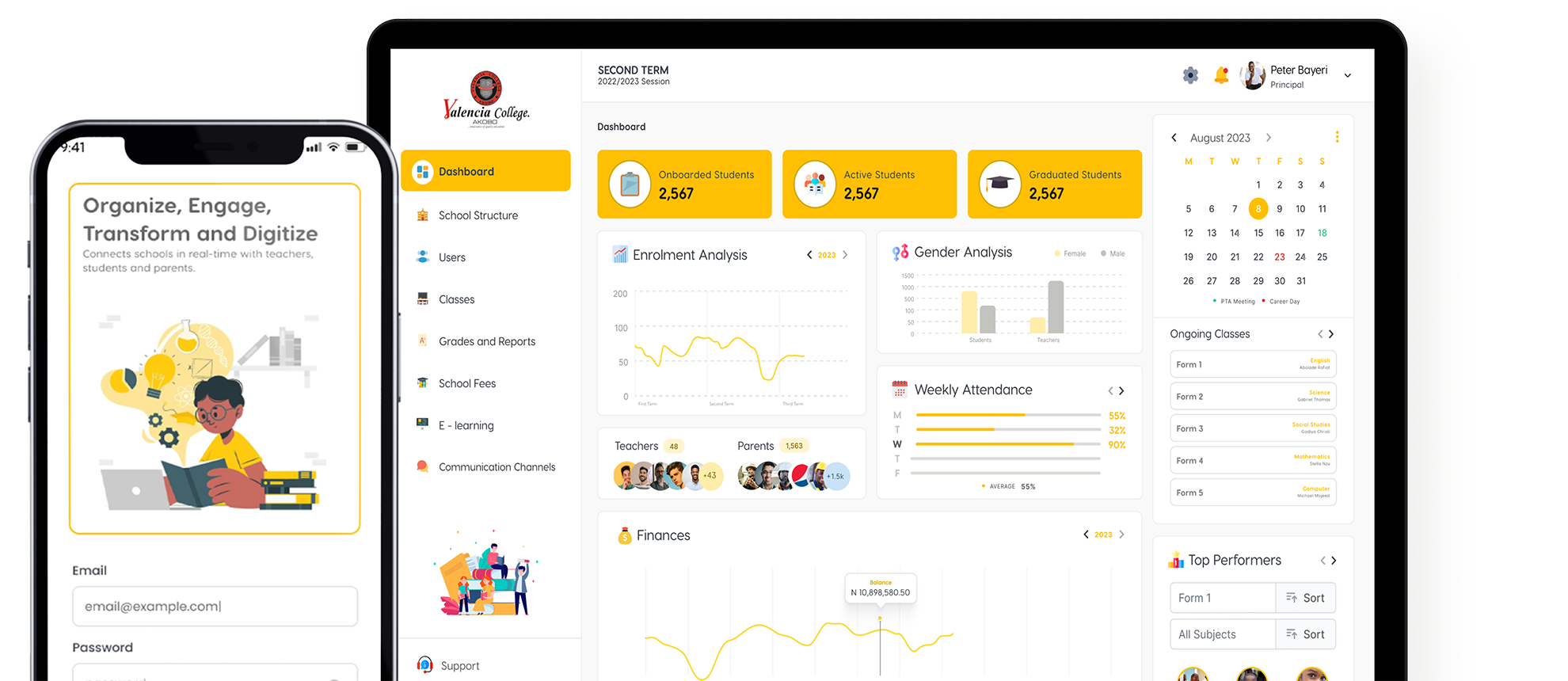
Benefits of Student Tracking Software
The benefits of student tracking software are increasingly evident in most higher institutions today, as it has become one of the most important tools for enhancing the learning environment for students. Students need to feel comfortable and accepted within the learning environment. As the digital age continues to improve, students must move with the new age, while institutions must also embrace digital transformation.
Student tracking software supports effective learning by improving communication, academic monitoring, and record management. As technology continues to shape education, higher institutions that adopt student tracking software are better positioned to meet students’ academic and administrative needs.
In this article, we will discuss the benefits of student tracking software for students and higher institutions. Before that, it is important to understand what student tracking software is.
What Is Student Tracking Software?
Student Tracking Software (STS) is software adopted by educational institutions to manage attendance, track students’ progress in the classroom and examination, upload and share assignments for easy communication between students and lecturers, organize exams and grades for students’ easy understanding of their grades, and so on.
Student tracking software is essential for proper documentation of student records and enables students to quickly assess their academic ability, identify weak areas, and improve in other courses in good time. The adoption of student tracking software supports the continuous development of students and institutions, from primary education to tertiary institutions.
Benefits of Student Tracking Software for Students
As mentioned earlier, student tracking software is important across all educational institutions. Below are some key reasons why it is beneficial for students:
1. Effective Communication:
When an institution adopts an effective student tracking software, communication flows easily among lecturers, students, and administrators. Important academic information can be shared promptly through the system.
If a lecture is postponed or rescheduled, students receive notifications through the system instead of relying on word of mouth. This reduces confusion and ensures that all students receive the same information at the same time.
2. Accurate Attendance:
Student tracking software provides an accurate and automated way to record student attendance. This reduces errors associated with manual attendance records and helps students monitor their attendance status.
Accurate attendance tracking also helps students understand attendance requirements for examinations and continuous assessment. A student who has missed several lectures can log into the system and see their attendance percentage. This awareness encourages better class participation before it becomes a disciplinary issue.
3. Perfect Grading System:
With student tracking software, grading becomes transparent and well-organized. Students can easily view their scores, assessments, and overall academic performance.
This system helps students understand how grades are calculated and allows them to track their academic progress throughout the semester.
4. Saves Time:
Student tracking software saves students’ time by reducing the need for physical paperwork and repeated visits to administrative offices.
Students can submit assignments online, access learning materials, and check results from anywhere, allowing them to focus more on their studies.
Benefits of Student Tracking Software for Administrators
For a school or institution to function effectively, student tracking software is also important for administrators in the following ways:
1. Streamlined Administration:
Student tracking software simplifies administrative processes such as student record management, report generation, and data storage. This reduces workload, improves efficiency, and minimizes human errors in record keeping.
2. Hostel and Accommodation Management:
Student tracking software helps administrators manage hostel allocation, accommodation records, and room availability effectively. It ensures proper documentation and easy tracking of students residing in school hostels.
3. Fees Structure and Collection:
With student tracking software, institutions can manage school fee structures, payments, and outstanding balances more efficiently. The system improves transparency and accountability in fee collection and financial management.
4. Lecturer Appraisal:
Administrators can use student tracking software to assess lecturers’ performance through attendance records, student feedback, and academic outcomes. This supports quality assurance and helps institutions maintain high teaching standards.
5. Automated Matriculation:
Student tracking software simplifies the matriculation process by automatically recording student data during admission. This ensures accurate records and a smooth transition from admission to full enrollment.
Conclusion
Student tracking software plays a vital role in modern educational institutions. It enhances communication, improves academic monitoring, saves time, and supports effective administration. By adopting student tracking software, institutions create a structured and student-friendly learning environment that supports academic success and institutional growth in the digital age.
In the majority of higher institutions today, a student tracking software is one of the most important pieces of software that is needed to enhance the learning environment for the student. Students need to feel comfortable and accepted in the learning environment, and as the digital age improves, students need to move with the new age, and the institutions should also accept it.
Are you a school administrator in need of a web solution like SchoolTry to automate, digitize, or transform your schoolwork? Register for free here and see how it works.